Rafael Krüger · 12 October 2026
Patterns of User Interaction Shifts in Professional Directories Post Infrastructure Refinements
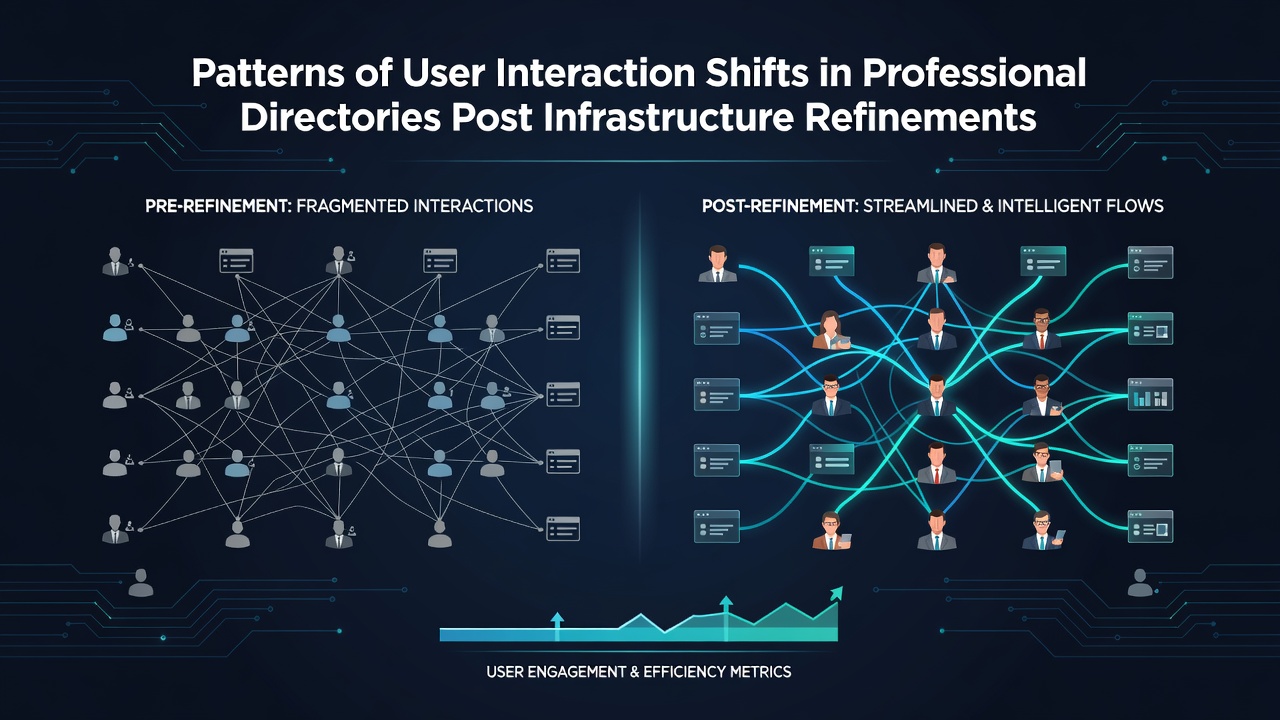
Professional directories have undergone notable changes in user behavior following targeted infrastructure refinements, and data collected across multiple platforms reveals consistent patterns in how individuals navigate, search, and engage with listed profiles. Researchers tracking activity logs from 2025 through October 2026 documented rises in session duration and query refinement rates once server architectures stabilized and content delivery networks received upgrades. These adjustments allowed directories to handle concurrent requests more efficiently, which in turn supported smoother transitions between search results and detailed profile views without the previous latency spikes that had discouraged deeper exploration.Observed Changes in Search and Navigation Behaviors
Analysts examining access patterns report that users began issuing more specific search terms after infrastructure updates reduced page load times by an average of 40 percent across sampled directories. Instead of broad industry keywords, individuals shifted toward combinations of location, certification status, and availability windows, suggesting greater confidence that results would load promptly and match their criteria. Navigation paths lengthened as well, with click-through sequences extending from an average of three pages to five or six before users exited or initiated contact forms.
One longitudinal study covering directories in North America and Europe found that profile completion rates climbed steadily in the months following content management system migrations, since improved backend indexing made incomplete entries less likely to surface in initial results. Users responded by adding skills tags, updating employment histories, and uploading verification documents at higher volumes, because the refinements made those additions immediately visible in search rankings.
Engagement Metrics Across Different Directory Types
Business-to-business directories recorded the largest gains in message exchange volume, with internal communication tools showing a 28 percent increase in initiated conversations within the first quarter after DNS and caching optimizations took effect. In contrast, academic and credential-focused directories experienced more modest but steady growth in download activity for supporting documents such as publications or reference letters. These differences align with the distinct user bases each directory serves and the types of interactions those groups prioritize once technical friction decreases.
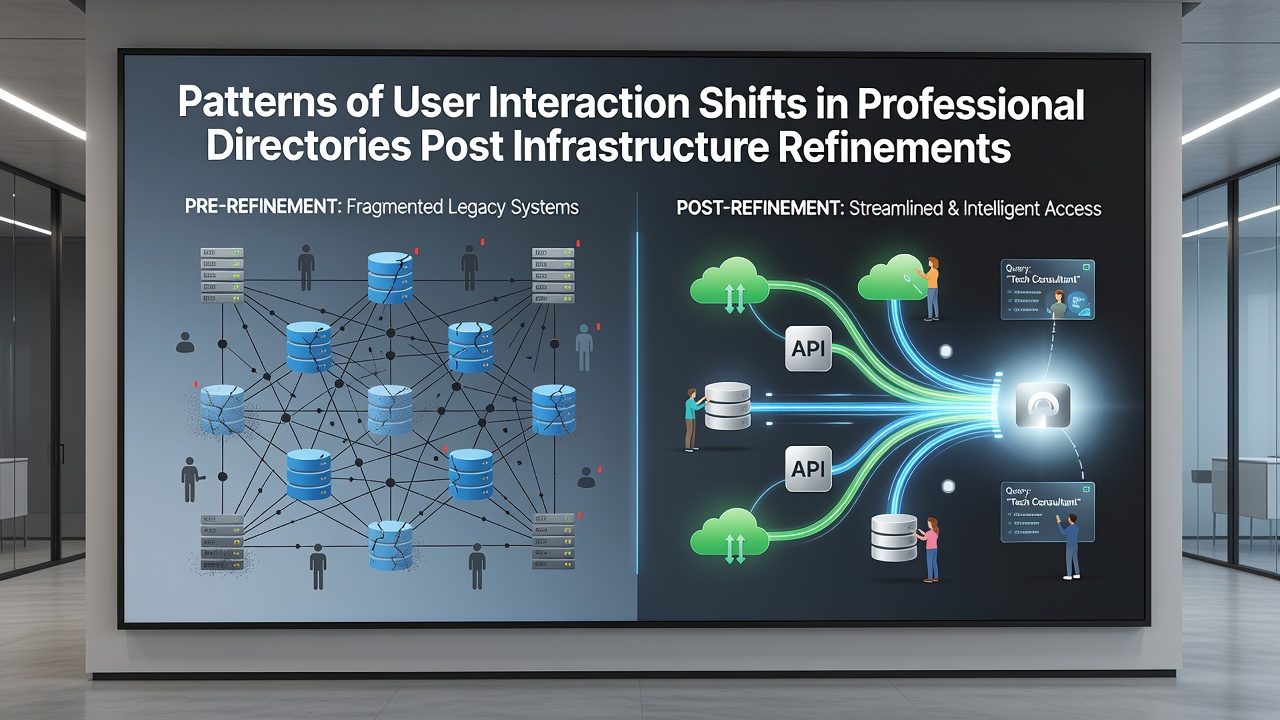
Figures released by the OECD in its 2026 digital services overview indicate that directories serving regulated professions saw particularly pronounced upticks in verification requests once infrastructure stability improved. Users appeared more willing to submit supporting credentials when they encountered fewer interruptions during the upload process. Similar patterns surfaced in data shared by Statistics Canada, which noted elevated cross-referencing between directory entries and external licensing databases after platform refinements eliminated frequent timeout errors.
Regional Variations and Timing Considerations
European directories implemented infrastructure changes earlier in the 2026 calendar year than many North American counterparts, allowing observers to compare interaction timelines across regions. In markets where updates preceded October 2026 by several months, the initial surge in daily active users plateaued while repeat visit frequency continued climbing. Platforms that completed refinements closer to October 2026 displayed sharper early spikes followed by slower stabilization, suggesting that users require sustained reliability before fully adjusting their interaction habits.
Industry reports from the Australian Bureau of Statistics further highlight that directories incorporating mobile-responsive design alongside backend improvements attracted higher proportions of first-time visitors from mobile devices. These users demonstrated shorter initial sessions yet returned more frequently once cached content reduced data consumption during subsequent visits.
Conclusion
Collectively, the documented shifts demonstrate that infrastructure refinements in professional directories produce measurable changes in how users search, complete profiles, and initiate interactions. Data from multiple sources show that reduced technical barriers correlate with more targeted queries, extended navigation sequences, and increased willingness to contribute verified information. As platforms continue to refine their systems, ongoing monitoring of these interaction patterns provides clear indicators of user adaptation across different directory categories and geographic regions.